May 1 - May 30, 2026
The work is about community. Community comes in many forms. Attachments, kinship, and family tell us who we are and where we come from. They give us a sense of dignity, a sense of belonging, right from birth. In Indigenous cultures, family units go beyond the traditional nuclear family living together in one house. Families are extensive networks of strong, connective kinship; they are often entire communities. Although commonly perceived as a typical family type in western society, the nuclear family structure may not resonate with other cultures, including Indigenous populations. Traditional First Nations societies have high degree of cooperation and mutual support because individuals relied on the people around them for all of their needs. Kinship systems are as complex and diverse yet are the glue that maintained the bonds between people.
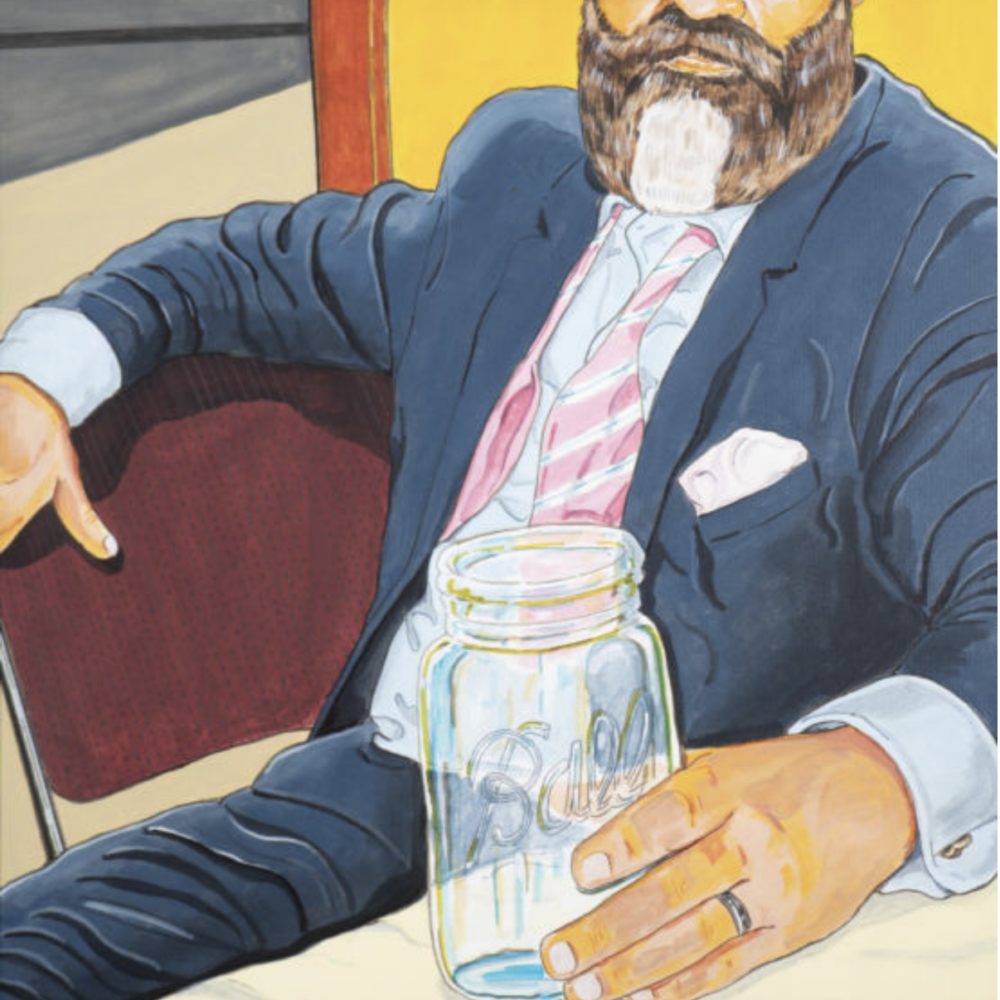
Portraiture is inherently about people and relationships. It’s a fascinating undertaking to try and represent someone, their identity, how they see themselves, how they are seen and how they perform various aspects of themselves. As we are human and a social species, I think that personal connections will always hold interest for us. However, portrait painting is a very loaded genre tied traditionally to status and propaganda, and therefore it’s important to widen this scope. To include people who may not have traditionally thought to represent themselves via a painted portrait and to open out the dialogue around portraiture – to include not just notions of status and position but of authenticity, integrity and diversity.
Artists are important educators and opinion leaders in their communities. Through art, people learn to imagine other ways of seeing, doing, and interacting with each other and the environment. Art plays an instrumental role in building Native and non-Native communities. It is our reflection.